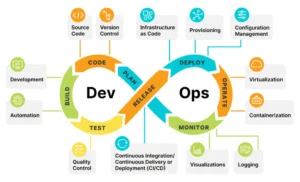
A Blueprint for Smarter Scalable AI Integration

Artificial Intelligence (AI) has been one of the most transformative technologies in recent years, reshaping industries, improving efficiencies, and enabling innovation. As businesses continue to explore how AI can be integrated into their operations, A Blueprint for Smarter Scalable AI Integration has become a crucial approach. The concept of AI as a Service (AIaaS) has emerged as a game-changer, making AI adoption easier and more effective for businesses.
AIaaS offers organizations the ability to leverage advanced AI capabilities without having to build the infrastructure or expertise from scratch. For decision-makers, understanding AIaaS is critical to navigating the future of business. This is why A Blueprint for Smarter Scalable AI Integration is essential for companies looking to scale AI solutions effectively. In this blog, we’ll explore what AIaaS is, how it works, its benefits, and why decision-makers should embrace this emerging technology through A Blueprint for Smarter Scalable AI Integration.
What is AIaaS? A Blueprint for Smarter Scalable AI Integration
AI as a Service (AIaaS) refers to the provision of artificial intelligence tools and services through cloud platforms, making these sophisticated technologies accessible to organizations of all sizes. Rather than investing heavily in AI infrastructure, software, and skilled personnel, companies can simply tap into these resources on-demand through the cloud.
The idea behind AIaaS is to democratize AI by offering its capabilities in a pay-as-you-go or subscription-based model. This allows businesses to access AI-powered solutions without having to manage the complexities of developing or maintaining the technology in-house.
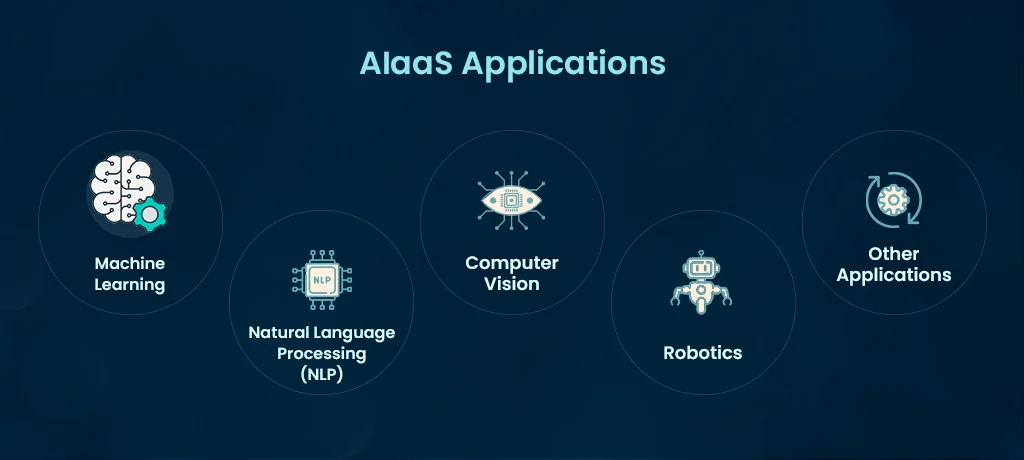
AIaaS covers a wide array of AI applications, including:
- Machine learning: Algorithms that enable systems to learn from data and improve over time.
- Natural Language Processing (NLP): Technology that helps computers understand, interpret, and respond to human language.
- Computer Vision: The ability for machines to interpret and make decisions based on visual input.
- Chatbots and Virtual Assistants: AI systems designed to simulate human conversations and provide automated customer service.
How Does AIaaS Work in A Blueprint for Smarter Scalable AI Integration?
AIaaS platforms typically offer cloud-based APIs (Application Programming Interfaces) or software tools that businesses can integrate into their existing systems. These platforms are often backed by leading cloud providers like Google, Microsoft, and Amazon, each offering their suite of AI-powered tools.
For example, Google’s AI tools may include pre-trained models for image recognition, while AWS offers a variety of machine learning services and chatbots. AIaaS platforms also enable businesses to store and process vast amounts of data, train machine learning models, and make data-driven predictions without needing to invest in expensive hardware or specialized teams.
Most AIaaS providers also offer pre-trained models, making it even easier for companies to plug-and-play without requiring advanced knowledge of AI. For example, a business could use an AIaaS tool to automate customer service responses, analyze sentiment from social media data, or predict sales trends using existing datasets.
The Benefits of AIaaS for Decision-Makers
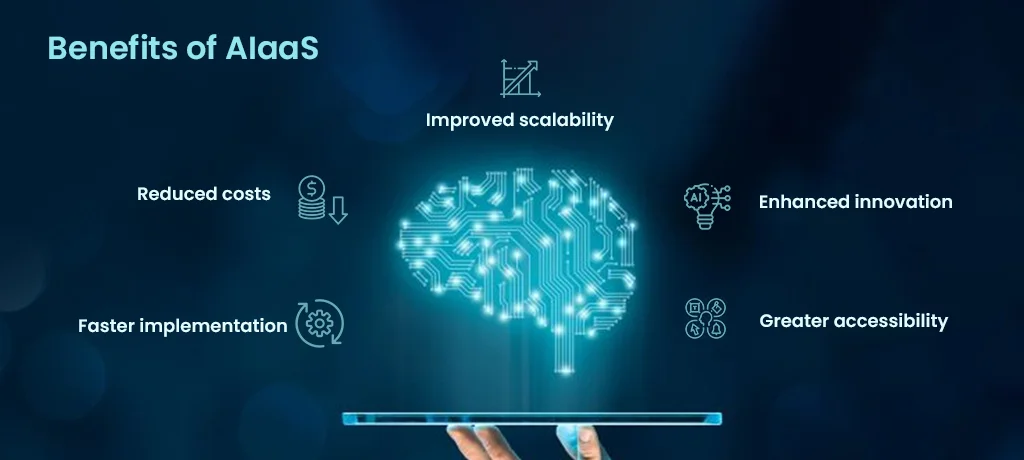
As decision-makers consider the future of their organization’s tech stack, it’s crucial to understand the wide-reaching benefits of A Blueprint for Smarter Scalable AI Integration. Below are some of the key advantages that AIaaS offers to businesses.
1. Cost Efficiency
Building an AI solution from the ground up is a significant financial investment. Not only does it require skilled personnel, but it also involves the procurement of hardware, the development of software, and ongoing maintenance and upgrades. For most organizations, this is prohibitively expensive.
AIaaS eliminates much of this cost by providing businesses with access to high-performance AI technologies without the need for large capital expenditures. The pay-as-you-go model ensures that companies only pay for what they use, which is ideal for organizations that want to minimize upfront costs.
2. Accessibility and Scalability
AIaaS makes advanced AI technologies accessible to a broader range of businesses, including small and medium-sized enterprises (SMEs) that may lack the resources to develop AI in-house. These companies can now tap into the power of AI with minimal effort, whether it’s for customer service automation, predictive analytics, or process optimization.
Moreover, AIaaS is highly scalable, meaning businesses can increase or decrease their usage depending on their needs. This scalability makes it easy for companies to experiment with AI and adjust their strategies as they see fit.
3. Faster Time to Market
With AIaaS, companies don’t have to spend months or years building AI capabilities. Instead, they can quickly deploy AI tools and integrate them into their workflows. This means businesses can innovate faster, test new strategies, and implement AI-driven solutions without long development cycles.
For example, a retailer might implement a customer recommendation engine powered by AI to personalize online shopping experiences, or a healthcare provider could leverage AIaaS for automated diagnostics, both of which would typically take months to develop in-house but can be launched within days using AIaaS.
4. Improved Decision-Making
AI is a powerful tool for data-driven decision-making. AIaaS platforms typically offer advanced analytics, predictive modeling, and real-time insights that help decision-makers make more informed choices. By leveraging AI tools, businesses can quickly analyze massive amounts of data to uncover patterns, forecast future trends, and optimize operations.
For instance, AI-powered analytics can identify which marketing campaigns are most effective, optimize supply chain logistics, or help HR departments predict which employees are at risk of leaving.
5. Enhanced Security
Data security is always a concern when integrating new technologies. Fortunately, many AIaaS providers offer robust security measures to ensure data protection. These providers often adhere to stringent compliance and security standards, such as GDPR, to safeguard sensitive information.
AIaaS platforms can also enhance security through AI-powered anomaly detection, which can automatically flag any unusual activities or potential threats. For example, financial institutions can use AIaaS to detect fraudulent transactions or other forms of financial crime.
Key AIaaS Providers for Smarter Scalable AI Integration
Several major companies are leading the charge in providing AIaaS solutions, and understanding which platforms are available is crucial for decision-makers. Some of the most well-known AIaaS providers include:
Google Cloud AI: Offers a wide array of AI tools for businesses, including natural language processing, translation services, and image recognition. Google Cloud AI also allows businesses to develop custom machine learning models.
Amazon Web Services (AWS) AI: AWS provides a comprehensive suite of machine learning and AI tools, including pre-built solutions for chatbot creation, fraud detection, and content moderation.
Microsoft Azure AI: Azure’s AI platform includes services for building, training, and deploying machine learning models, as well as tools for natural language processing and computer vision.
IBM Watson: IBM’s Watson AI platform provides businesses with powerful machine learning tools, including AI-driven chatbots, predictive analytics, and personalized recommendations.
Key Considerations for Smarter AI Integration
While AIaaS offers significant benefits, decision-makers should carefully evaluate their specific needs and requirements before jumping in. Here are some key considerations:
- Data Privacy and Compliance: Be aware of any data privacy regulations that might affect how you use AIaaS, particularly in industries like healthcare and finance.
- Integration with Existing Systems: Ensure that the AIaaS tools can be easily integrated with your current systems and processes. Compatibility is key to maximizing the benefits.
- Vendor Reliability: Choose an AIaaS provider with a strong reputation, solid support, and a proven track record of reliability.
- Customization: Determine whether the AIaaS tools can be tailored to your specific business needs or whether you’ll be limited to out-of-the-box solutions.
Conclusion
Businesses’ use of artificial intelligence is being transformed by AIaaS. AIaaS helps businesses make better decisions, develop faster, and increase operational efficiency by providing scalable, powerful, and reasonably priced AI solutions.
A Blueprint for Smarter Scalable AI Integration is not only a technical advancement for decision-makers; it is a calculated step that may boost competitiveness, optimize workflows, and create new sources of income. Businesses that use these services will be better equipped to prosper in a world that is becoming more and more data-driven as AI develops.
The rise of AIaaS represents a shift towards a more accessible, affordable, and flexible way of integrating AI into everyday business operations. By understanding the power of AIaaS and using it effectively, decision-makers can stay ahead of the curve and build the foundation for future success.