The Ultimate Guide to App Development Timelines: How Long Does It Take?
The need for mobile applications is only growing in today’s technologically advanced society. The process of creating an app may be thrilling, regardless of whether you’re a startup, a company trying to reach a wider audience, or an entrepreneur with a fresh concept. However, “How long does it take to make an app?” is one of the most often asked queries.
In a nutshell, it depends. The complexity, functionality, design, and resources you have at your disposal may all have a significant impact on the app development schedule. Setting reasonable expectations, however, can be facilitated by being aware of the phases of growth and the factors that affect the schedule.


Factors That Influence the Time to Build an App
Before diving into a detailed timeline, it’s important to consider the factors that impact the overall app development time. These include:
1. App Complexity
Simple Apps: Apps with basic features (e.g., a calculator or to-do list app) are usually quicker to develop.
Medium Complexity Apps: Apps that integrate with a backend system or feature integrations like geolocation, chat functionality, or API connections.
Complex Apps: Apps that feature advanced functionalities such as real-time updates, AR/VR, multiple user roles, or advanced security (e.g., banking apps or social media apps) require more time and effort.
2. App Type
Native Apps: Developed specifically for one platform (iOS or Android). These typically take longer to develop as they require platform-specific coding.
Hybrid Apps: Designed to work across multiple platforms using one codebase. They can be quicker to develop but may sacrifice some performance.
Web Apps: Simple apps that run in a browser, often taking less time to build but offering fewer features than native or hybrid apps.
3. Design and User Interface (UI)/User Experience (UX)
- The design process significantly impacts development time. Simple designs can be developed in a shorter timeframe, but intricate, custom designs with complex user flows will add time to the process.
- The UX design is crucial for user satisfaction, and it requires thorough research, wireframing, prototyping, and testing.
4. Features and Functionality
- The more features you want your app to have, the longer the development time. Features like push notifications, in-app purchases, authentication (login), and social media integration all add to the complexity and time of development.
5. Platform Choice (iOS, Android, or Both)
- Building for one platform (iOS or Android) is faster than building for both. If you decide to build a cross-platform app (iOS and Android), it might take longer, but you can reach more users.
6. Development Team
- The size and experience of your development team also influence the timeline. A larger, more experienced team can typically work faster and more efficiently.
- If you’re outsourcing or hiring freelancers, you may need additional time for coordination and communication.
7. Testing and Debugging
- Testing is an essential phase in app development. The time required for testing depends on the app’s complexity and the number of bugs that need to be fixed. This phase can take anywhere from a few days to weeks depending on how polished your app needs to be.
8. App Maintenance and Updates
- After your app is launched, you’ll need ongoing updates and bug fixes. This maintenance can add to the total time over the life cycle of the app, especially if you’re regularly adding new features or fixing major issues.
Typical Timeline for Developing an App
Here is a breakdown of the typical stages of app development and how long each step can take:
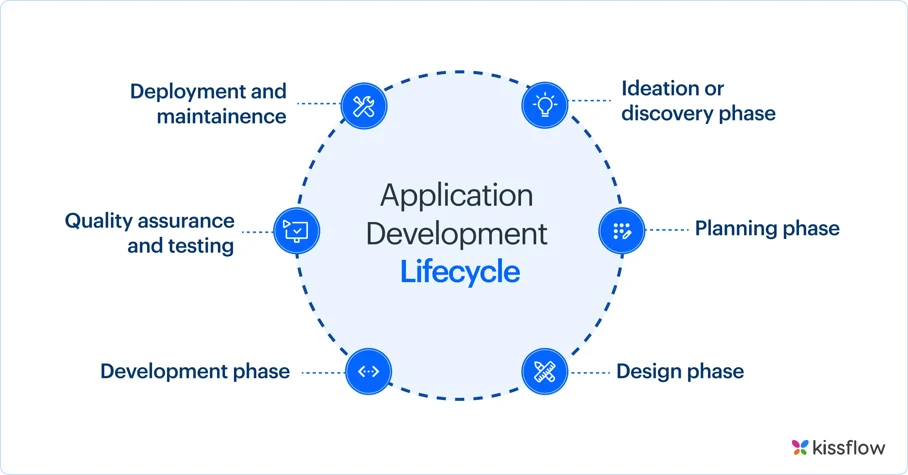
1. Discovery and Planning (2-4 Weeks)
The first step in app development is discovering the purpose of the app, identifying the target audience, and defining the overall goal. During this phase, you’ll gather and document the app’s requirements, features, and user stories. This stage may include:
- Identifying stakeholders.
- Defining business goals.
- Conducting market research.
- Wireframing initial design concepts.
- Defining the technical stack.
This phase usually takes 2 to 4 weeks, depending on the depth of research and planning involved.
2. UI/UX Design (3-8 Weeks)
After planning, the next step is to create the user interface (UI) and user experience (UX) design. This phase is crucial because a great design is key to ensuring user engagement and satisfaction.
- Wireframing: Basic layouts and structures of the app are created.
- Prototyping: Building interactive models of the app for user testing.
- UI Design: Crafting the visual elements like buttons, icons, and overall aesthetics.
Designing an app can take anywhere from 3 to 8 weeks, depending on the complexity and iterations. This is where user feedback is essential to refine the design before development.
3. Development (8-20 Weeks)
The development stage is the heart of the app-building process, where the actual coding happens. This phase can take 8 weeks to 20 weeks (or more) based on the complexity and features of the app.
- Backend Development: This involves the server-side development of the app, databases, and APIs. For apps that require cloud storage, real-time data synchronization, or user authentication, this part can be more complex.
- Frontend Development: This is the part of the app that users interact with. It involves the coding of the interface elements that make the app visually appealing and easy to navigate.
For a simple app with basic features, development can be done in around 8 weeks, but more complex apps with additional features can take up to 20 weeks or longer.
4. Testing (2-6 Weeks)
After the app is developed, rigorous testing is required to ensure that it functions as expected and that bugs are fixed before release.
- Alpha Testing: Internal testing to detect bugs.
- Beta Testing: Testing with a limited audience to get user feedback and fix any remaining bugs.
Testing can take 2 to 6 weeks, depending on how many iterations are needed and how many bugs need fixing. It’s essential not to skip this phase to ensure the app’s quality and usability.
5. Launch and Deployment (2-4 Weeks)
Once testing is complete, the app is ready to be launched. The deployment process involves submitting the app to app stores (Apple App Store, Google Play Store) for review and approval, which can take anywhere from 2 to 4 weeks depending on the platform.
After the app is approved, it’s available for download, but the job isn’t over. Continuous monitoring and immediate troubleshooting of post-launch issues are important to ensure the app runs smoothly.
6. Post-Launch Updates and Maintenance (Ongoing)
After the launch, you’ll need to regularly update the app for bug fixes, new features, or updates to meet new operating system requirements. Maintenance is ongoing and can add a significant amount of time to the total life cycle of the app.
Factors That Can Speed Up or Slow Down Development
While the average time to develop an app can range from a few months to more than half a year, there are certain ways to either speed up or slow down the process.
Speeding Up Development
- MVP (Minimum Viable Product): Focusing on the most essential features and releasing the simplest version of the app can drastically shorten development time.
- Cross-Platform Development: Instead of developing separate apps for iOS and Android, using tools like React Native or Flutter can save time and resources by creating one codebase for both platforms.
Delays to Consider
- Complex Features: The more advanced the features (e.g., machine learning, AR/VR, custom algorithms), the more time it will take.
- Frequent Design Revisions: Constantly changing the design can delay the project.
- App Store Approval: Delays in app store review processes may extend the launch time.
Conclusion
The time it takes to make an app depends on a variety of factors, but on average, it could range anywhere from 3 months to 9 months or longer. By carefully planning, prioritizing essential features, and collaborating with a skilled development team, you can streamline the process and create an app that meets your business needs.
Ultimately, the goal is not to rush through the development process but to build an app that delivers a great user experience, is functional, and works seamlessly. Understanding the timeline and working with a professional development team can ensure that the app you create not only meets expectations but also provides long-term value for your users.